
Don't Mess With the Meek
How to inherit the earth

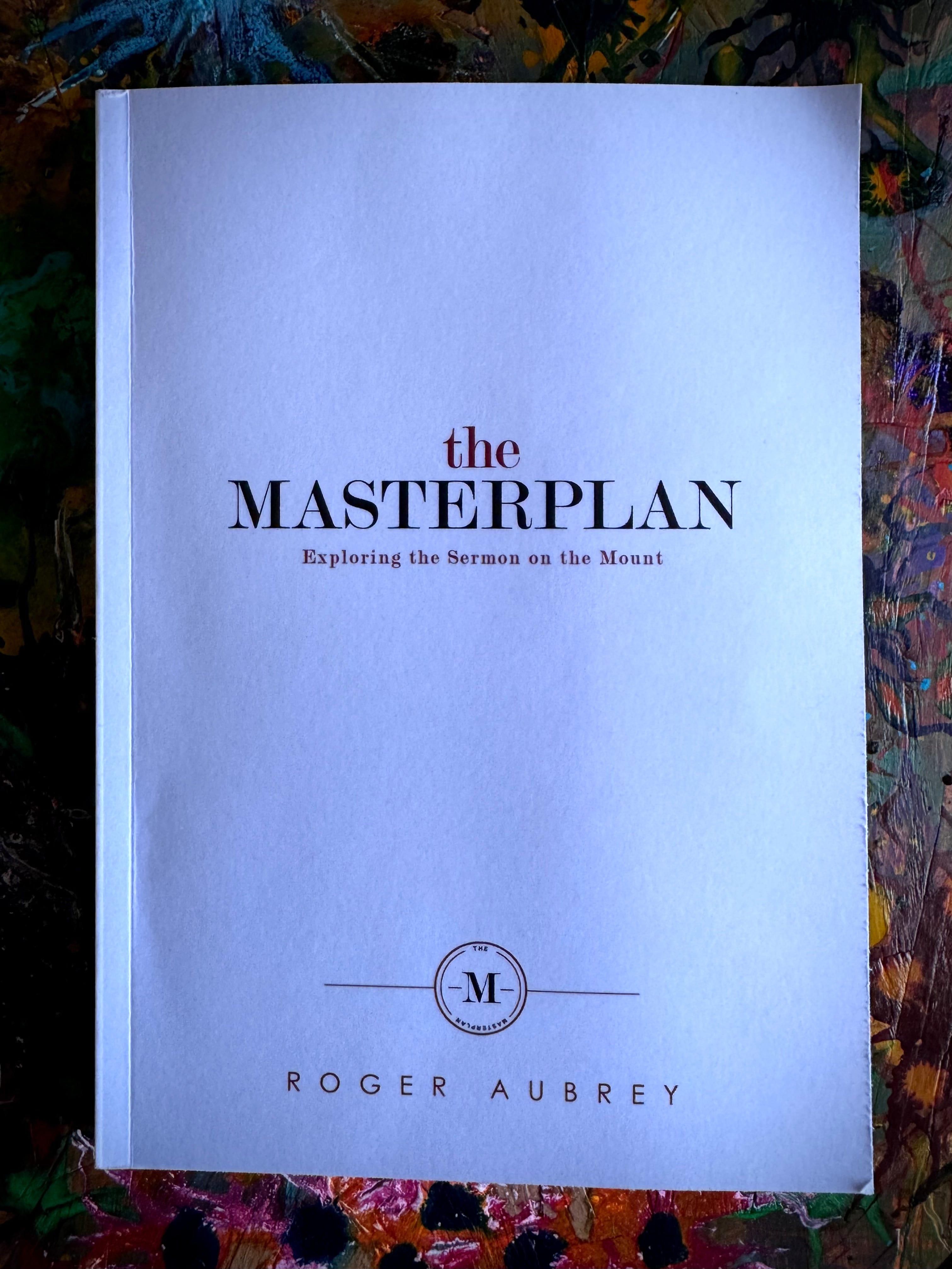
Some time ago I wrote a book entitled The Masterplan:Exploring the Sermon on the Mount. It has proved to be popular and, more importantly, a practical help to many in living as Christians (perhaps the fact that it’s short might be a factor.) During this year’s season of Lent, our church leaders encouraged our small groups to use it as a study (it has forty chapters); having so many folks who I see regularly all reading it at the same time was remarkable: the encouraging feedback was humbling to say the least. A common factor was the effect one particular chapter had on so many: the one covering the statement of Jesus: ‘Blessed are the meek, for they will inherit the earth.’ Even now, several months later, people still comment. I don’t think what affected them was my superb writing or my wisdom, (I know my limits), it was their realisation of what it means to be meek. So, I thought I’d take this opportunity to put in on here for you to read for yourself. Thanks.
THE MEEK
Blessed are the meek, because they will inherit the earth. (Matthew 5:5)
If there is a Beatitude that is most misunderstood, I venture to say it’s this one. This is demonstrated by the fact that Jesus has often been portrayed by certain Christian preachers, by film makers and artists as a timid, mild-mannered, emaciated, mystical figure, who looks like he is desperate for a good meal and in need of cheering up. This portrayal comes in part from a misunderstanding of meekness, where to be meek is to be weak, insipid and inoffensive. To be meek, Christians are told to be insignificant and almost devoid of personality, to be like doormats for others to walk over. The truth is that the meek are anything but that. Through their meekness Jesus’ disciples inherit the earth.
The Greek word we translate as meek in this verse means to demonstrate power without being harsh or cruel. Meekness is the proper exercise of God’s strength and power, while being under the control and direction of God. The meek exercise God’s rule and authority humbly, in a God-like manner, as his representatives on earth. The meek, then, are truly authoritative. The meek inherit the earth: this takes us back to God’s original intention for humanity to rule over the earth on his behalf (Genesis 1:26-28). Where Adam and Eve failed because of their sinful disobedience against God, the meek succeed because we have entered God’s kingdom and humbly live under the authority of our heavenly Father, expressing and exercising his rule throughout the earth in every aspect of our lives. Paul uses similar language and this imagery of inheritance when describing who we are in Christ:
For you did not receive a spirit of slavery to fall back into fear, but you received the Spirit of adoption, by whom we cry out, ‘Abba, Father!’ The Spirit himself testifies together with our spirit that we are God’s children, and if children, also heirs - heirs of God and co-heirs with Christ - seeing that we suffer with him so that we may also be glorified with him. (Romans 8:15-17)
Jesus described himself as meek: he said, ‘I am meek and humble in heart’ (Matthew 11:29). The context of that saying describes him as also having great strength. He says to all who are weary and burdened: ‘Come to me…you will find rest for your soul in me’. Later in Matthew’s Gospel, Jesus quotes the prophet Zechariah regarding himself as the Messianic King:
Your King is coming to you, meek, and mounted on a donkey, even on a colt, the foal of a beast of burden. (Matthew 21:5)
Meekness, therefore, is a quality of Jesus himself, and is demonstrated by the Holy Spirit through his disciples as we exercise his kingly rule here on earth. When we see Jesus in the Gospels we see a King full of the Holy Spirit, who walks in humility, yet with full confidence and great dignity. We see somebody who lives every day in the will of his Father, caring for the weak and helpless, the outcast and the underprivileged, who passionately cares about justice for all. We see somebody at home with rich and poor, high and low, who heals the sick, performs miracles, signs and wonders. We also see somebody who resolutely refuses to be pushed around by tyrannical religious powers, by the bullies of the political elite and by despotic Roman rulers. He is ruthless and withering in his attacks on all forms of hypocrisy. He expels from God’s house of prayer those who had made it into a market. He calls stubborn, religious people ‘children of the devil’. He lives contrary to the status quo of the earth’s values and systems and resists all attempts to make him compromise his radical agenda of the kingdom of God. All this is meekness.
For Jesus’ disciples, meekness is one of the most potent forces on earth. It’s not being an overbearing bully, or trying to exercise one’s will through the force of personality. It’s not being a doormat for everybody to walk over, as we’ll discover later in the Masterplan. It is the authority and power of God demonstrated through a humble spirit. The meek don’t need to assert themselves or fight for their rights. By their very nature the meek are extremely dangerous, the best kind of dangerous, because they fearlessly challenge and confront everything that contradicts the kingdom of God. Since meekness is the expression of the strength of God, it also has all the authority and power of the Creator of the universe behind it. That’s how the meek are enabled to inherit the earth. Those who decide to abuse, overpower or ridicule the meek are truly foolish and in considerable peril. They are taking on God himself; and they lose every time. The earth is the Lord’s (Psalm 24:1) and he rules it through the meek; it’s their inheritance. So don’t mess with the meek.
Consider/Discuss
Has this chapter affected your understanding of meekness? If so, how?
As a meek person, how do you exercise the balance between living humbly under the control of God, and confronting what is contrary to the kingdom of God?
How do you respond when people try to walk over you, because they think Christians are doormats?